Glaucoma
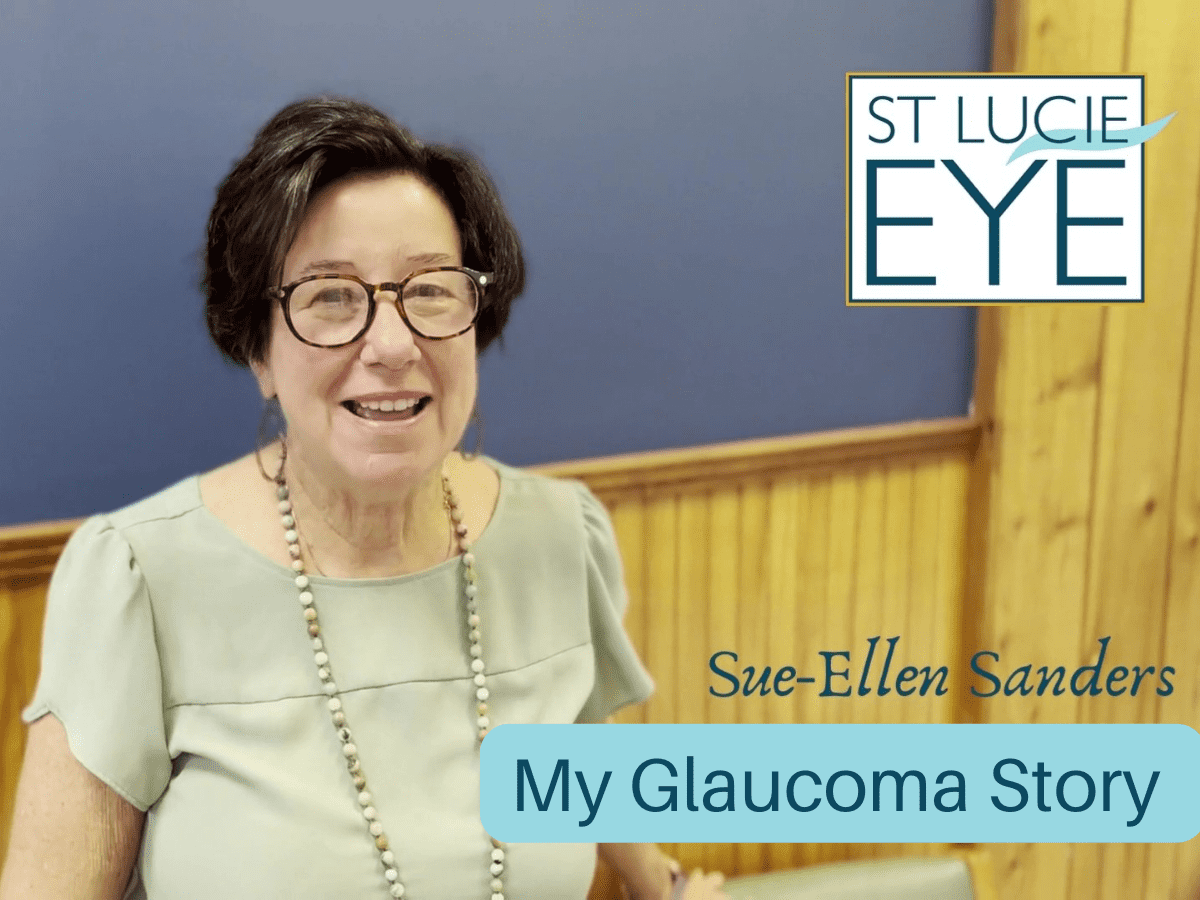
My Glaucoma Story
What’s it like to live with sudden vision changes from glaucoma? Guest author and long-term patient of St Lucie Eye, Sue-Ellen Sanders describes her recent journey with glaucoma treatment and trabeculectomy surgery.
What’s it like to live with sudden vision changes from glaucoma? Guest author and long-term patient of St Lucie Eye, Sue-Ellen Sanders describes her recent journey with glaucoma treatment and trabeculectomy surgery.

You may wonder why a yearly eye appointment typically lasts well over an hour. Remember that the goal is to not only measure your visual acuity for glasses or contacts, but to evaluate your complete eye health. There are lots of moving parts to your comprehensive ophthalmology visit. Your exam occurs in three distinct sections: technician testing, dilation, and exam with physician.

Vision changes from cataracts impact personal safety and wellbeing. The best time for surgery is when cataracts negatively impact quality of life, or glasses and contacts are no longer effective. On average, patients delay cataract surgery five years longer than necessary. That’s five years of needless struggle with limitations of poor vision.

Because many serious eye conditions begin without a noticeable change in vision, it’s vital to have a regular, dilated eye exam every year” says Dr. S. Rana, board certified ophthalmologist with St Lucie Eye in Port St Lucie, FL.
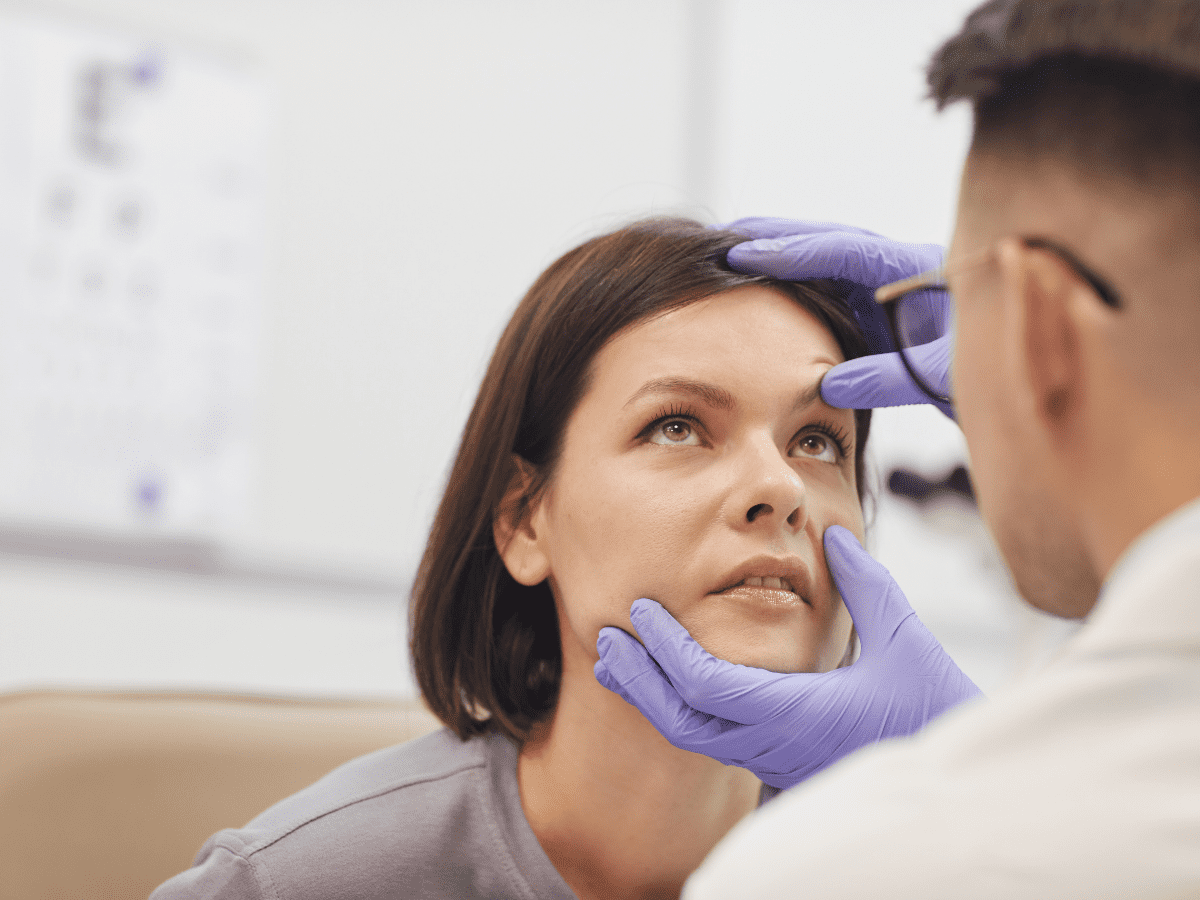
Always err on the side of caution when it comes to your vision. Many mild symptoms can mimic those of more serious eye diseases and permanently damage vision if left untreated. Notify your eye doctor immediately if you notice sudden changes or have an eye injury. Your ophthalmologist will help evaluate and triage your symptoms.
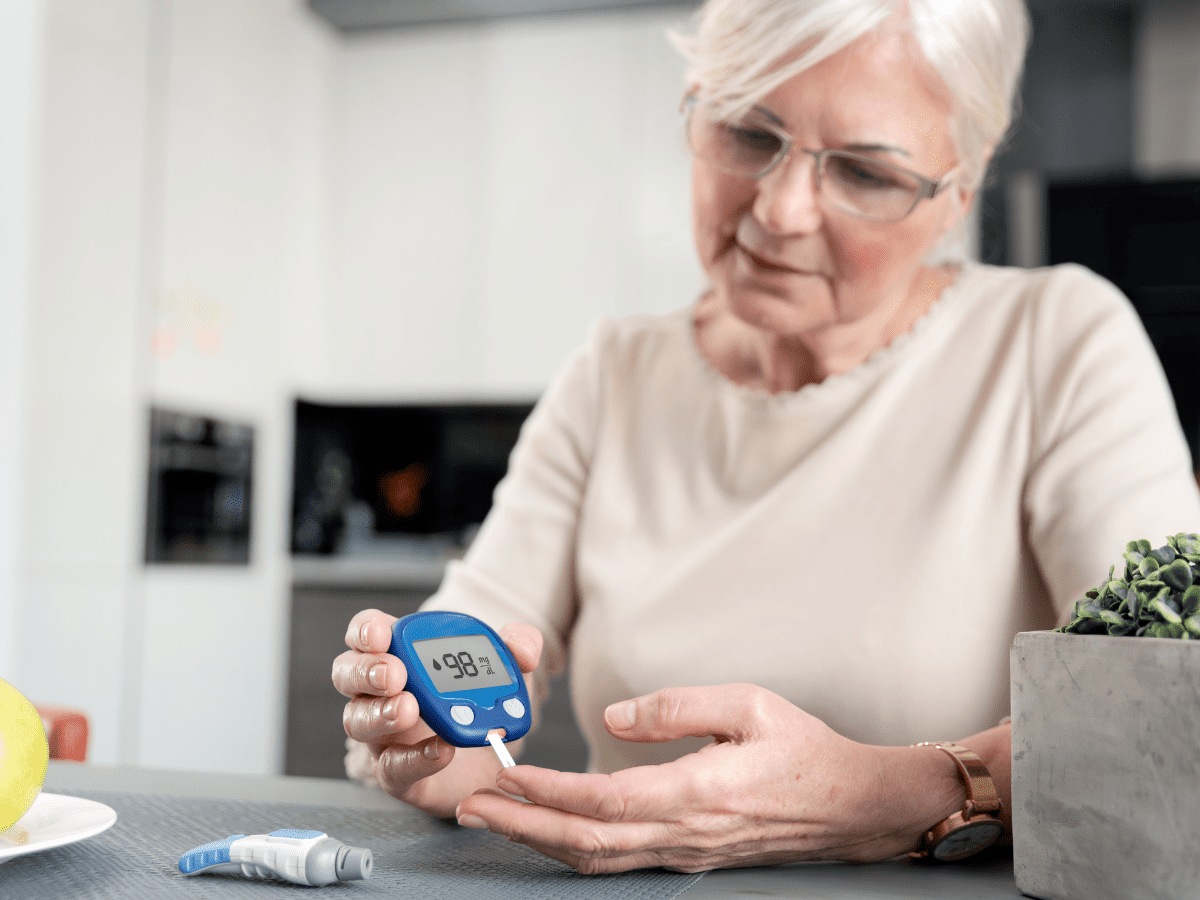
Diabetes can damage vision without pain or symptoms. Vision changes can even occur in prediabetes, when blood sugar is higher than normal, but not high enough to be diagnosed with the disease. Many people first learn they have diabetes during an eye exam.
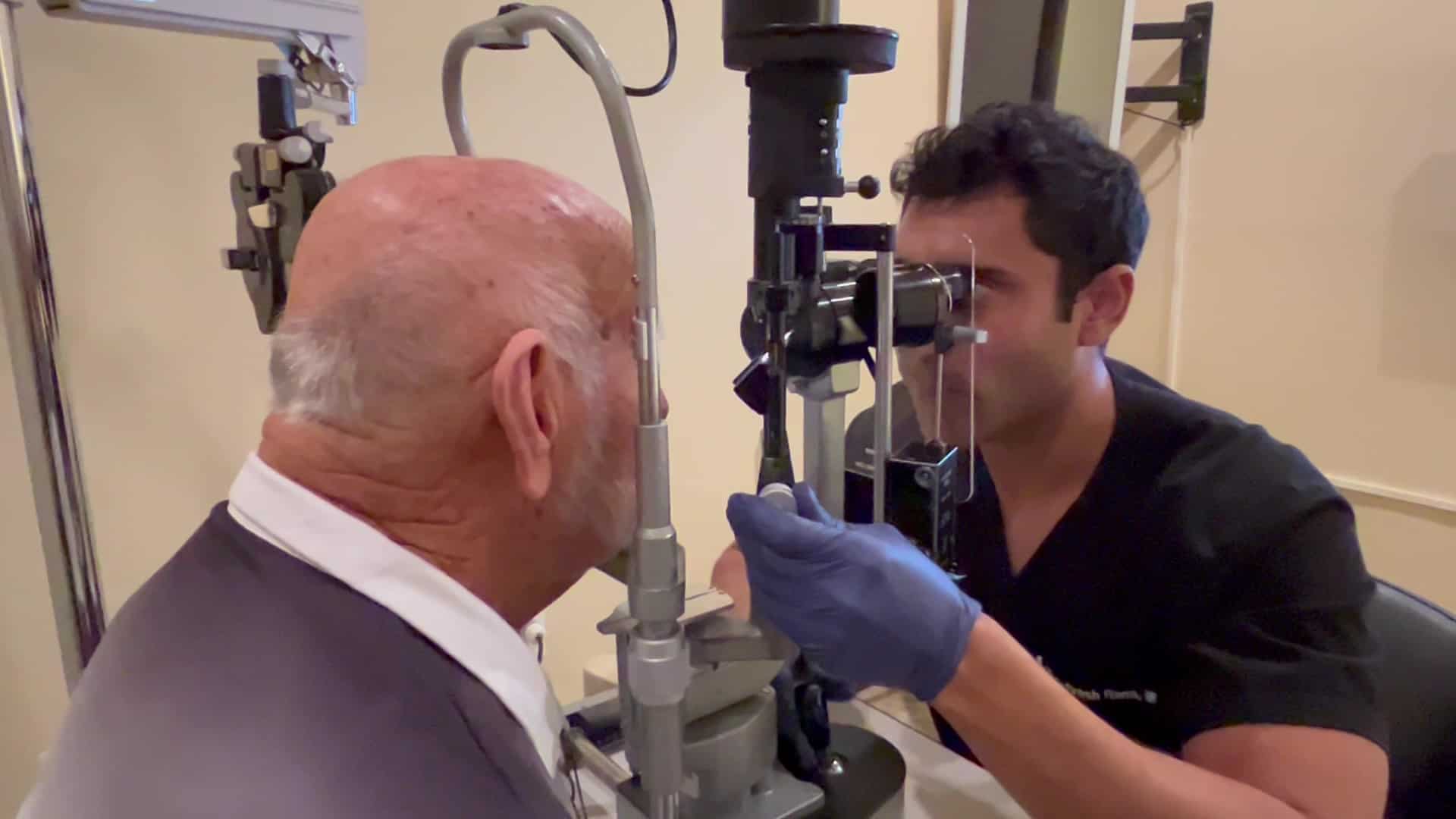
Changes in the eye’s blood vessels may signal an elevated risk of heart disease, stroke or aneurysm. If your eye doctor sees any of these signs during a dilated eye exam, it could be literally life-saving!
September is Healthy Aging Month and a great time to see your eye doctor.

August is recognized as National Eye Exam Month and it’s a good reminder to schedule a comprehensive exam as good vision is strongly related to better work and school performance.

Direct sunlight on the skin can synthesize Vitamin D in as little as 15 minutes. Vitamin D supports absorption of minerals like calcium and phosphorus that help regulate the immune system. Moderate amounts of sun also help contribute to the development of better distance vision for teens and young adults according to the latest studies.

Cataracts are a common cause of vision loss in older adults. If you are over age 60, it’s important to get a dilated eye exam every year. Today’s cataract surgery has many options; from traditional or laser-assisted procedures to multi-focal and astigmatism correcting replacement lenses.
Talk to your ophthalmologist about your expectations after cataract surgery in order to choose the most effective options for your lifestyle.